
Less than half the carbon of conventional clinker, at the same price
Buyers of cement need three answers before switching: how much carbon it saves, what it costs, and whether there will be enough of it. This page sets out what we can share today and what is in the data pack.
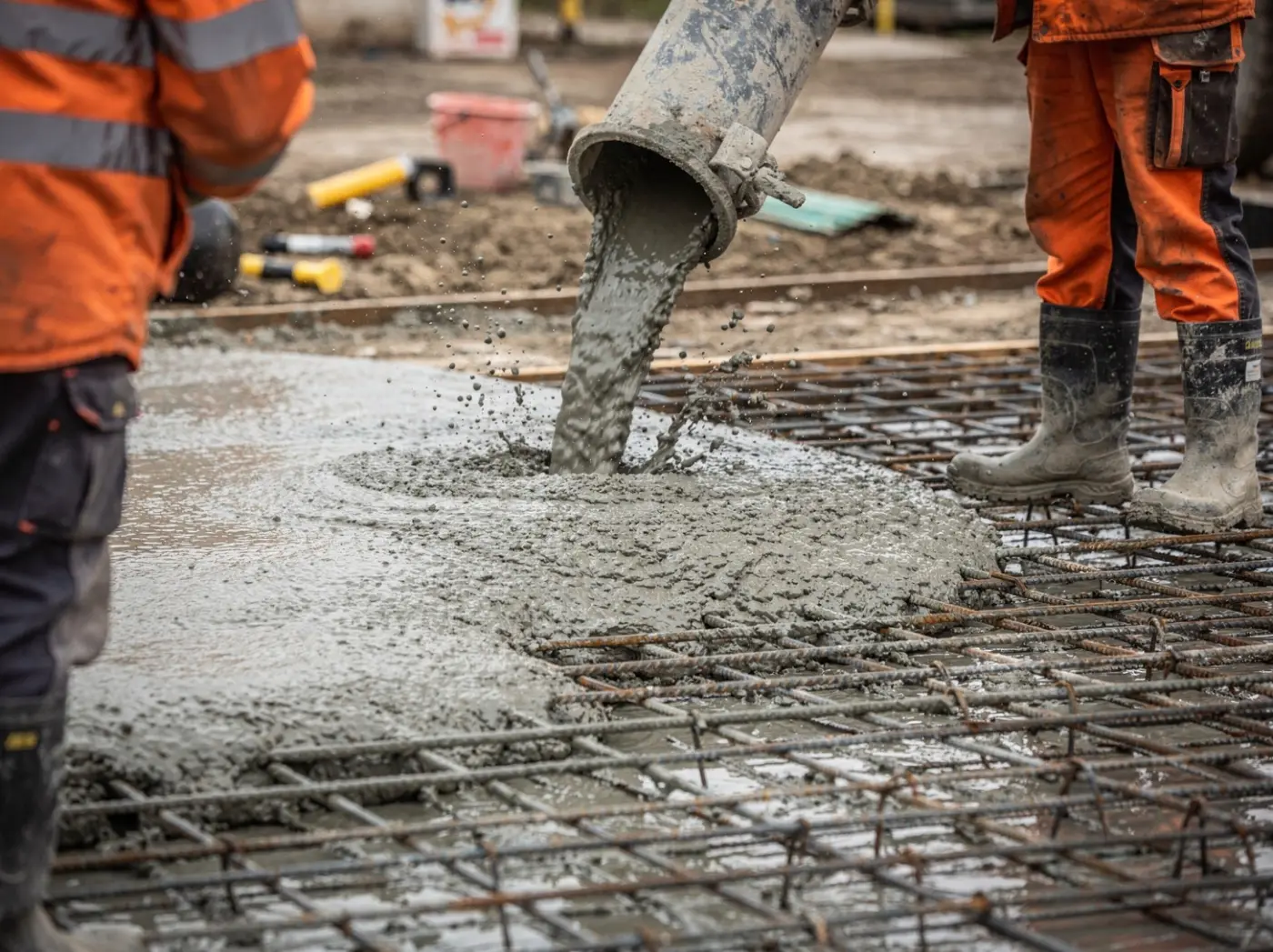
The numbers we stand behind
Lower emissions than conventional cement from the first commercial tonnes, with further reductions expected as production scales.
Reclinker, October 2026
Cost parity with conventional cement. Lower carbon without a green premium for the buyer.
Reclinker
Share of global CO₂ emissions caused by cement, roughly three times aviation. Most of it comes from clinker.
Reclinker, via The Next Web
Where the saving comes from
In a conventional kiln, CO₂ comes from two places: limestone releasing it as it is heated, and the fuel used to heat it. Reclinker removes both from the clinker step.
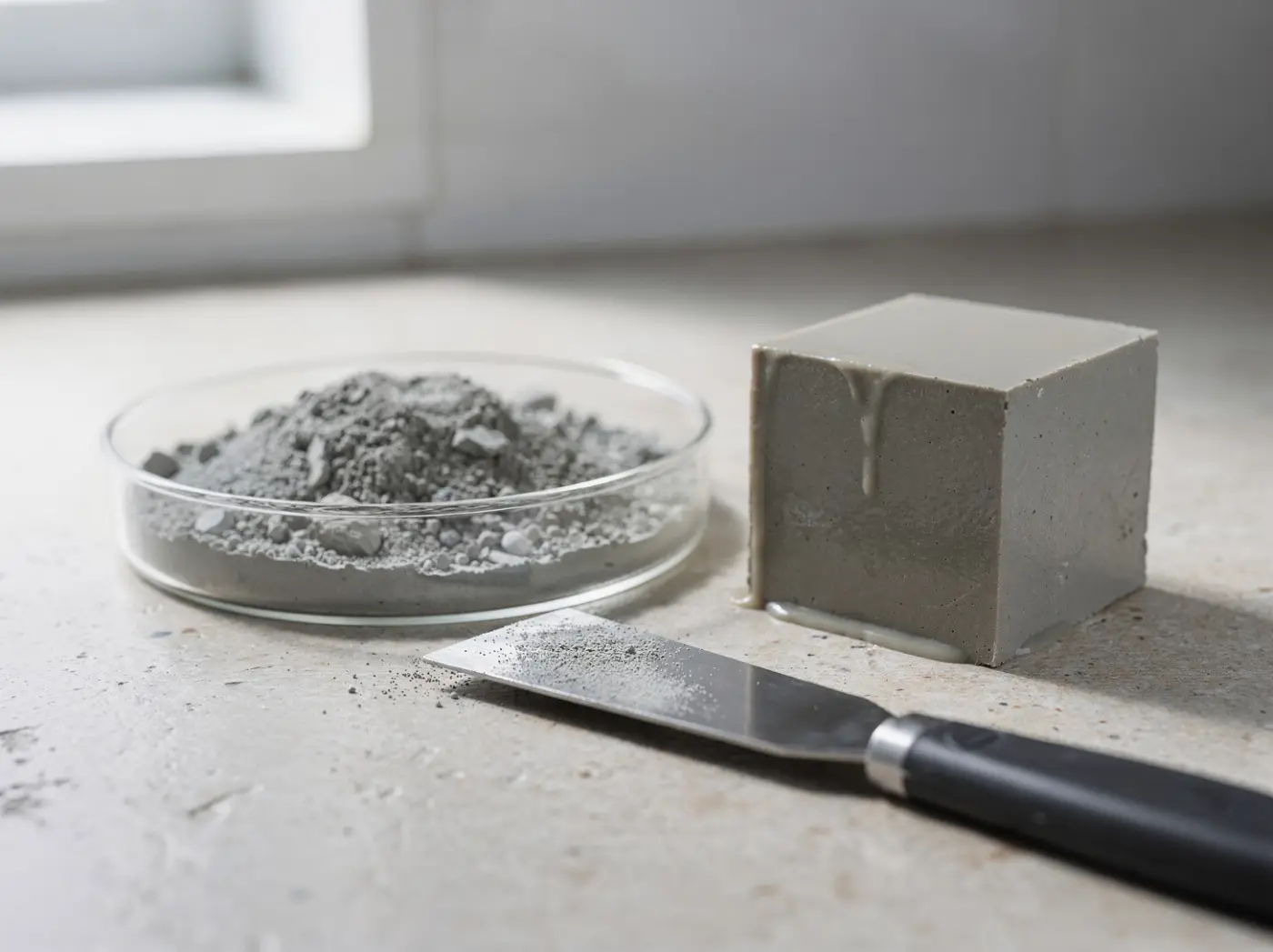
No limestone
Our raw material is cement paste that has already been made once. No rock is quarried and none is calcined.
No fossil-fuel heat
The heat comes from an electric arc furnace that is already melting scrap steel. As the grid gets cleaner, so does our clinker.
No new kiln
The furnace already exists. We add separation and milling around it rather than a kiln line.
Two products, one melt
The same furnace run that makes our clinker also makes recycled steel, using cement paste in place of lime flux.
From thousands of tonnes to hundreds of thousands
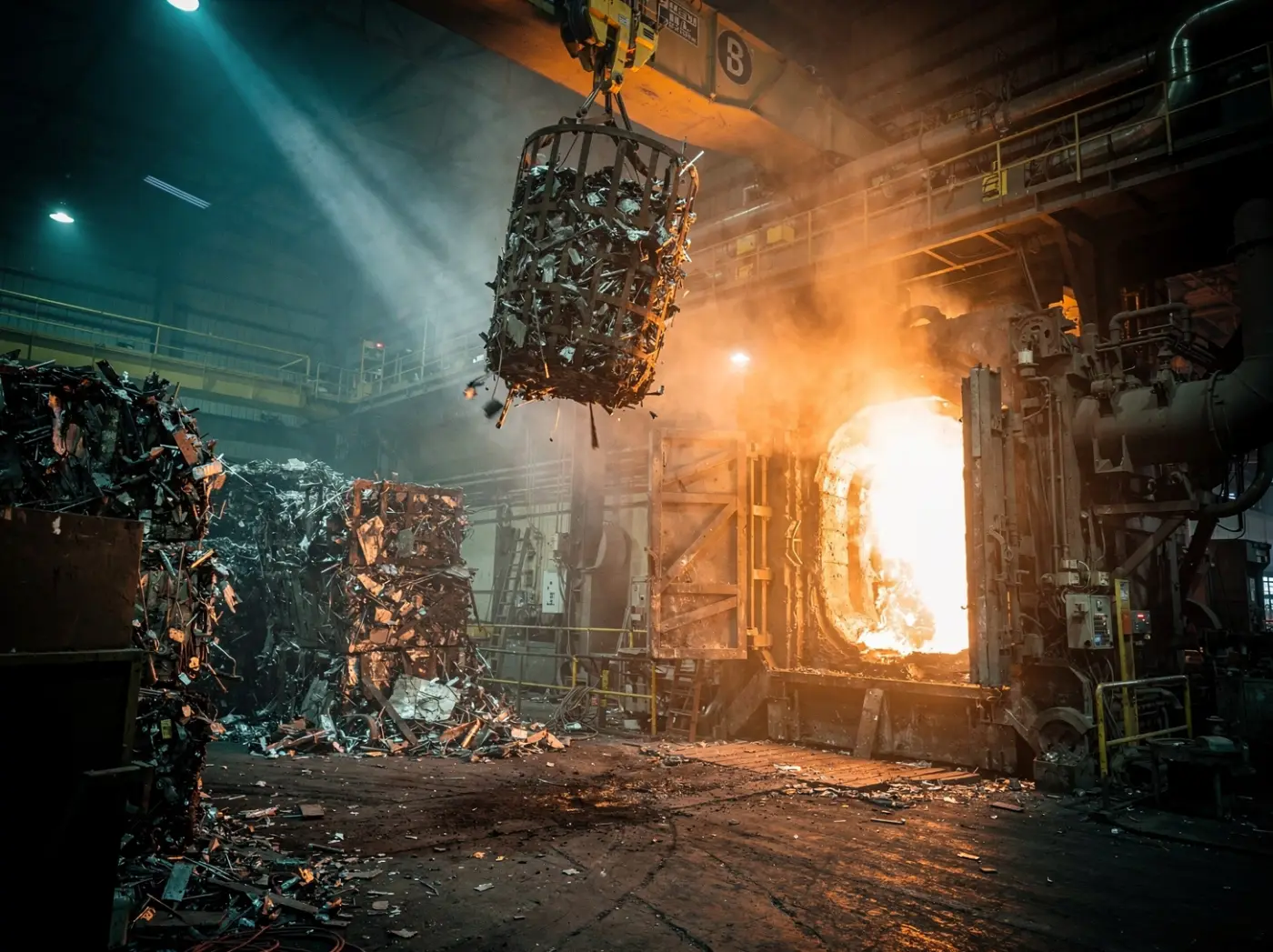
Thousands of tonnes have been produced at 7 Steel UK in Cardiff and the first commercial sales are secured. The Series A funds the move to full commercial production in South Wales.
Now
First commercial sales from Cardiff, with milling through toll partners in South Wales.
2026 to 2027
Our own pilot milling plant, and processing scaled from thousands to hundreds of thousands of tonnes a year.
Next
Replication at electric arc furnace sites in Europe and the United States, using a standardised, repeatable plant design.
Large concrete users have signalled through the Innovate UK Advance Market Commitment that they plan to buy more low-carbon materials over the next five years.
The buyer's data pack
Specifiers and procurement teams get the technical and carbon documentation in one place. Tell us your application and we will send the relevant set.
Concept layout. Content to be confirmed with the Reclinker technical team.