Recycling cement inside the furnaces that recycle steel
If you reheat hydrated cement, it reclinkers. The chemistry has been known since Portland cement was invented. What Reclinker adds is a place to do it at industrial scale without a kiln: the electric arc furnaces that recycle the world's scrap steel.
From demolition site to cement silo
Recover
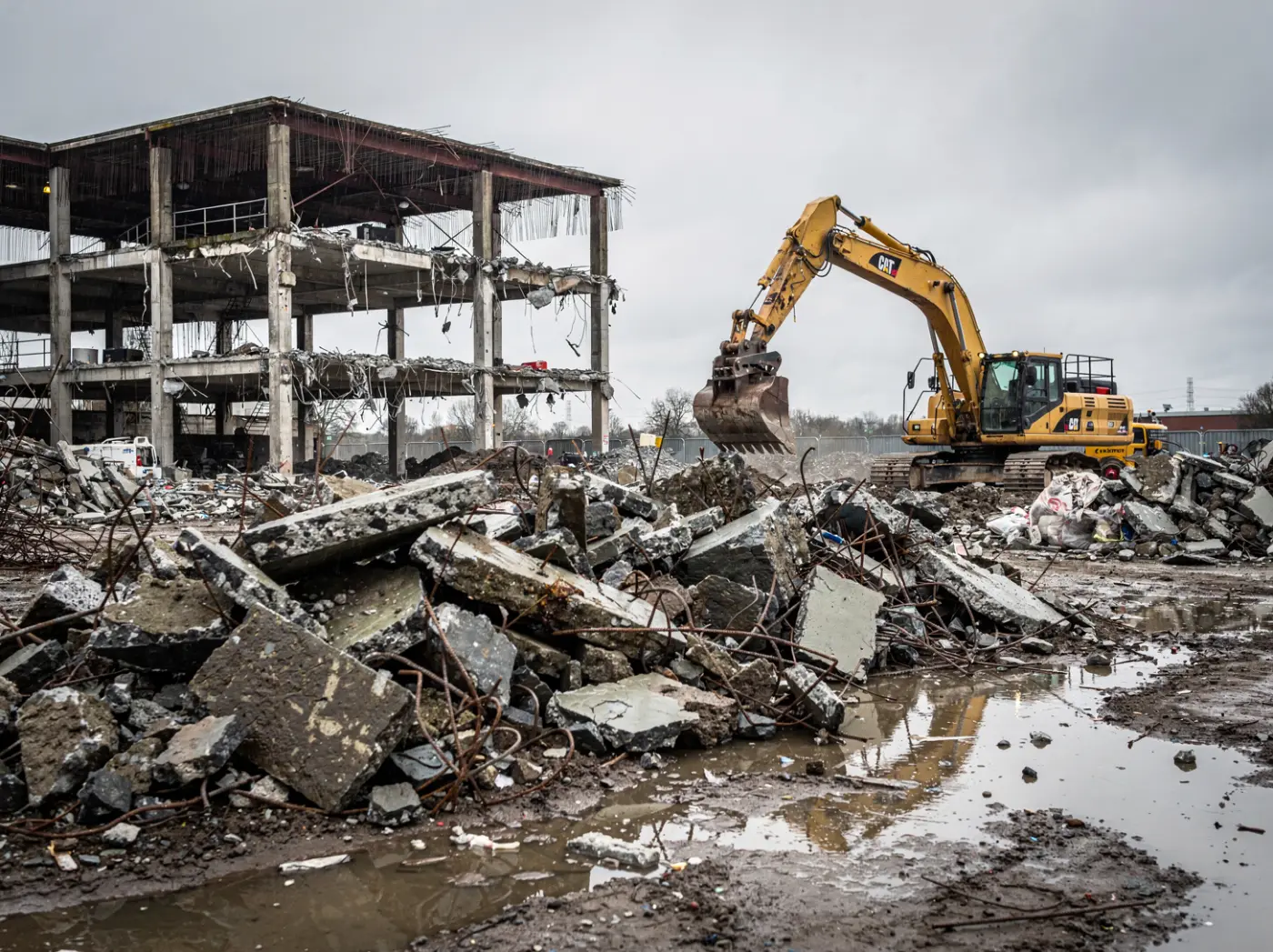
Concrete from demolition is collected instead of going to landfill or being crushed for road base. Inside it is spent cement paste, the part of concrete that once held the sand and stone together.
Separate
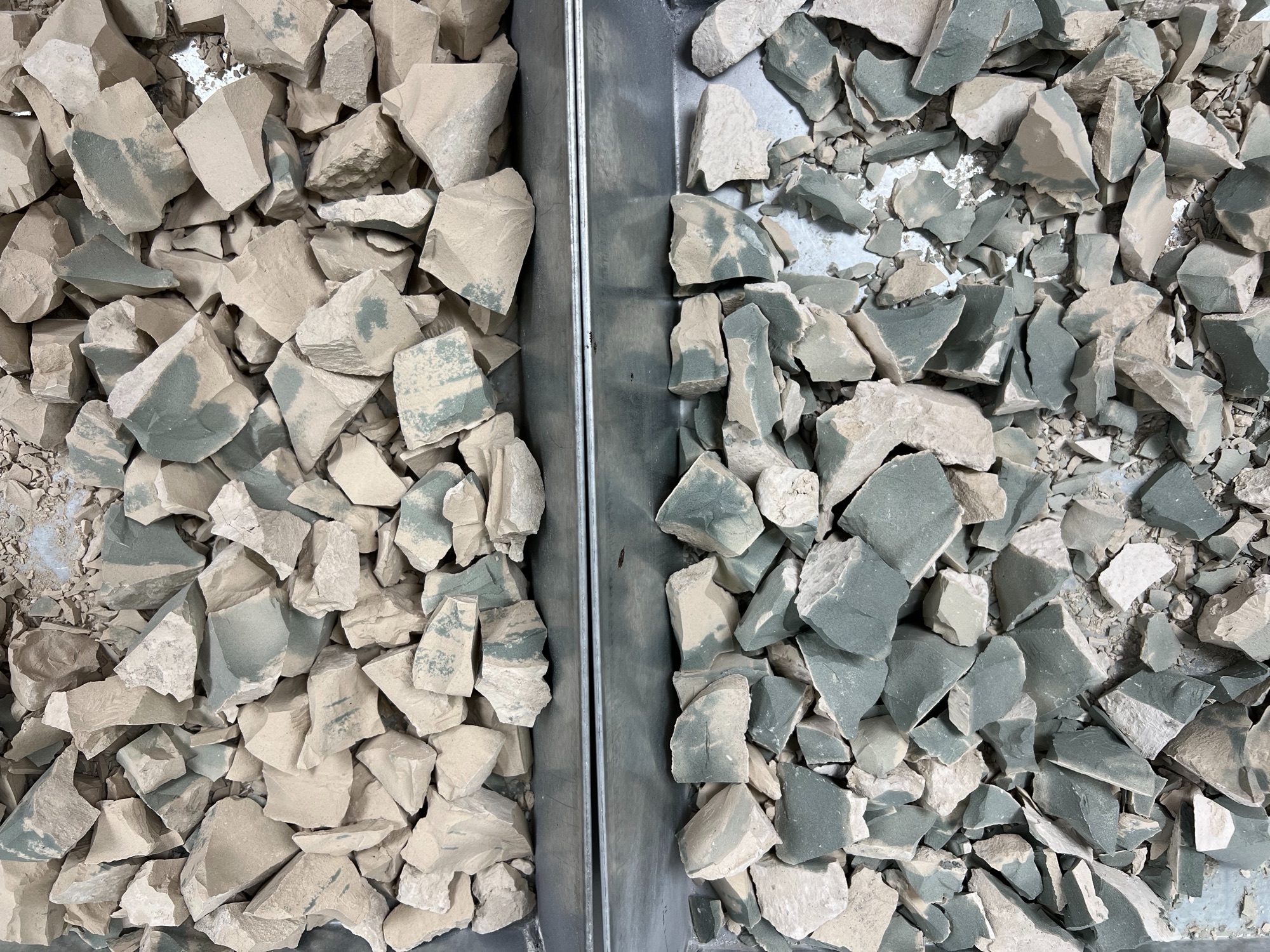
The concrete is taken apart into its constituents: sand, aggregate and a fine powder of deactivated cement paste. The sand and aggregate go back into construction. The paste becomes our raw material.
Reclinker
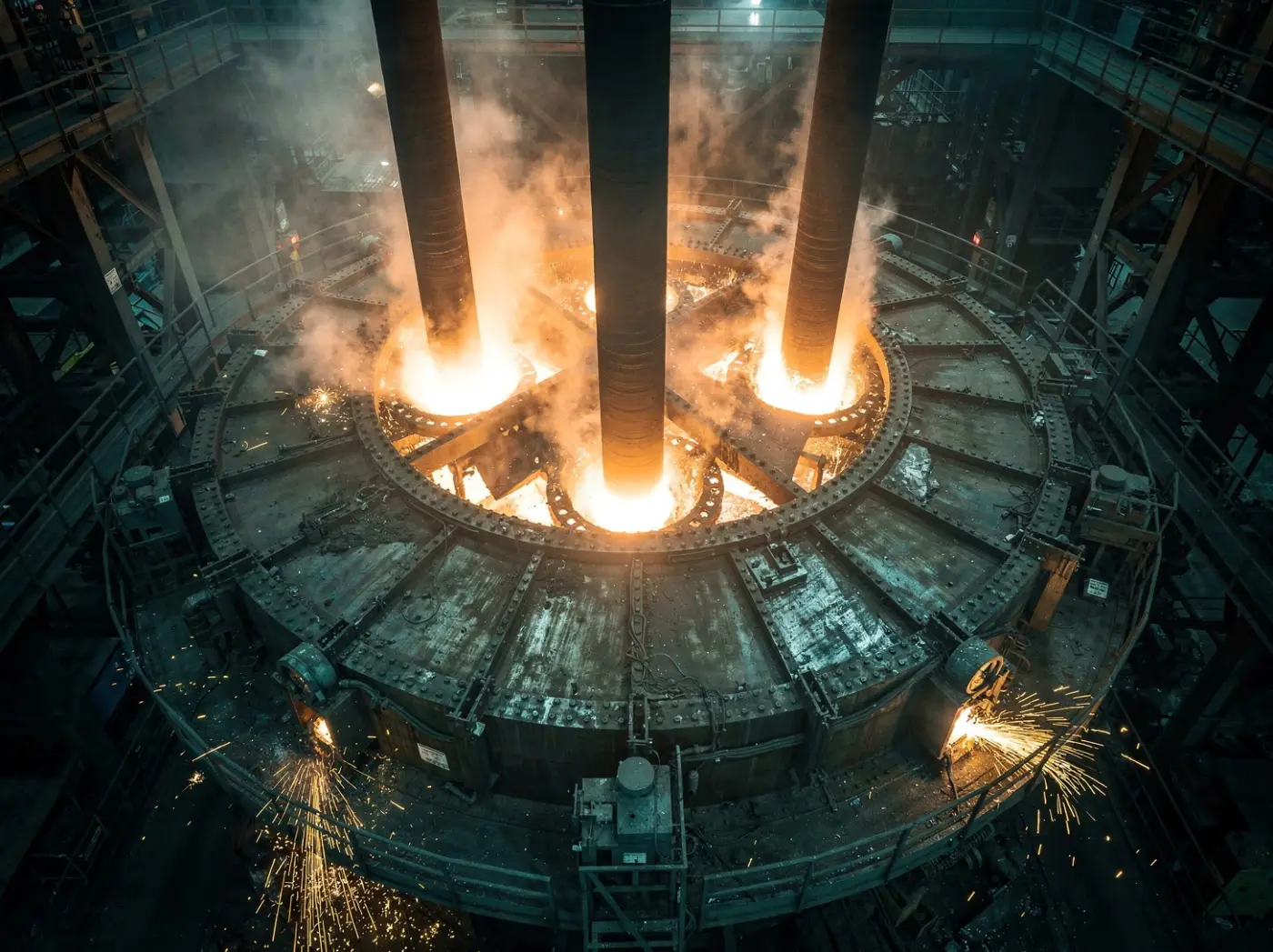
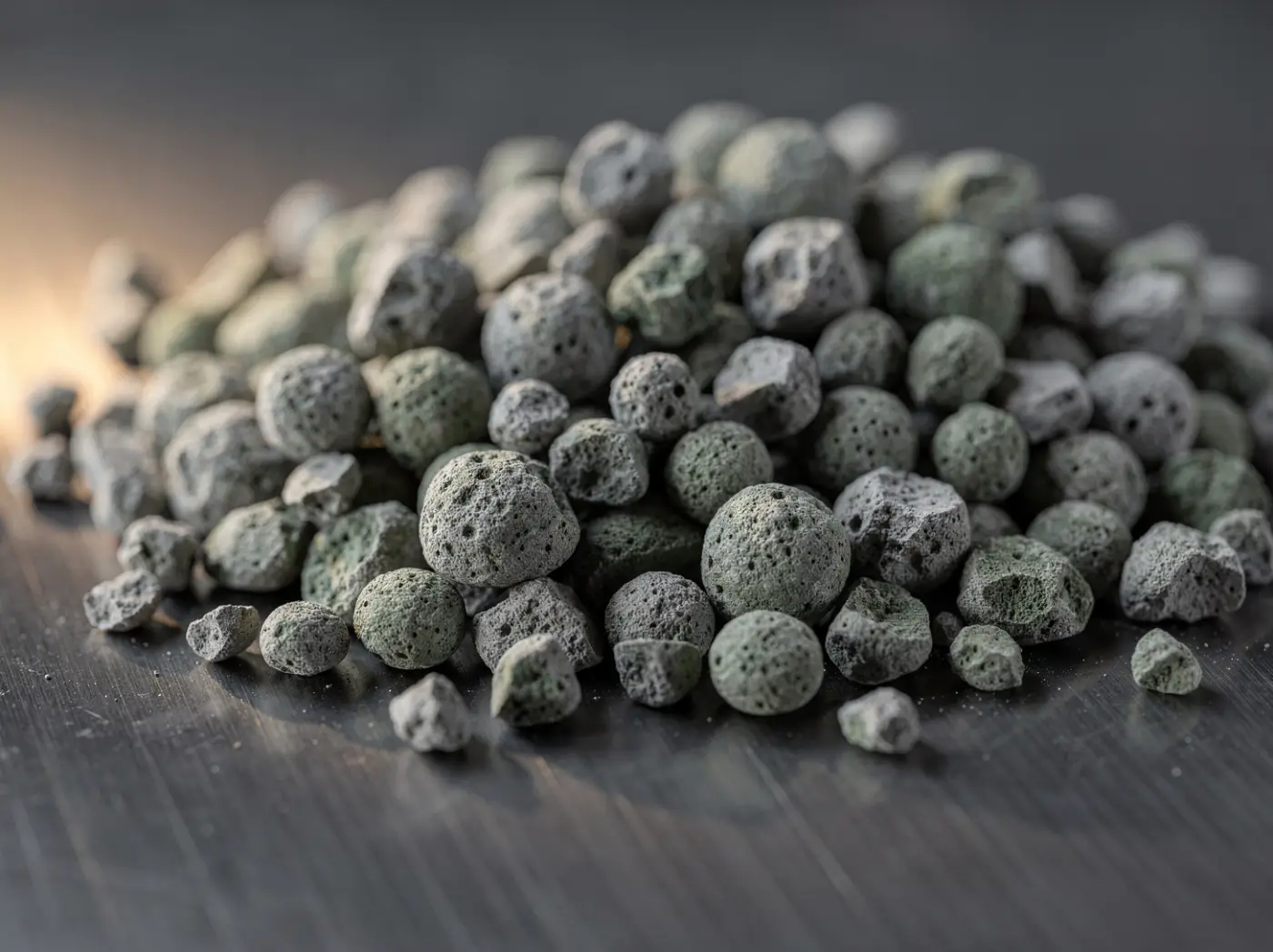
Electric arc furnaces normally add lime as a flux to remove impurities from molten scrap. We replace that lime with recovered cement paste. The furnace heat reactivates it, and the slag that comes out is very similar to Portland cement clinker.
Mill and blend
The clinker is milled and blended with gypsum to make Portland cement. Early production uses toll milling partners in South Wales while our own milling plant is built.
What changes against a cement kiln
The comparison below sets the conventional route against Reclinker's, step by step. Product performance data is shared with buyers on request.
| Conventional clinker | Reclinker | |
|---|---|---|
| Raw material | Quarried limestone and clay | Cement paste recovered from demolition concrete |
| Heat source | Rotary kiln fired mostly by fossil fuel | Electric arc furnace already running to recycle steel |
| New plant needed | Kiln line | None at the furnace. Separation and milling only |
| Products | Clinker | Clinker and recycled steel from the same melt |
| Emissions | Baseline | More than 50% lower at launch, falling as we scale |
| Cost | Baseline | Parity with conventional cement |
Not a slag substitute
Ground granulated blast-furnace slag comes from coke-fired blast furnaces and is blended into cement to lower its carbon. Its supply is shrinking as those furnaces close. Reclinker makes something different.
“We are not producing a cement supplement or substitute. We are taking deactivated cement and reactivating it to produce actual cement.”
Patricio Burdiles, senior project manager, quoted by The Concrete Centre
Born in a Cambridge research group
The process was developed in the Use Less group led by Professor Julian Allwood at the University of Cambridge, which studies how the world could build with zero emissions. It was described in a peer-reviewed paper in Nature in 2024 and taken to industrial trials at 7 Steel UK in Cardiff, where thousands of tonnes have been made.