Building
Cement locked in a structure
Every building standing today holds cement that was made from quarried limestone, heated in a kiln. Most of cement's emissions come from that clinker step, released from the rock itself and from the fuel.

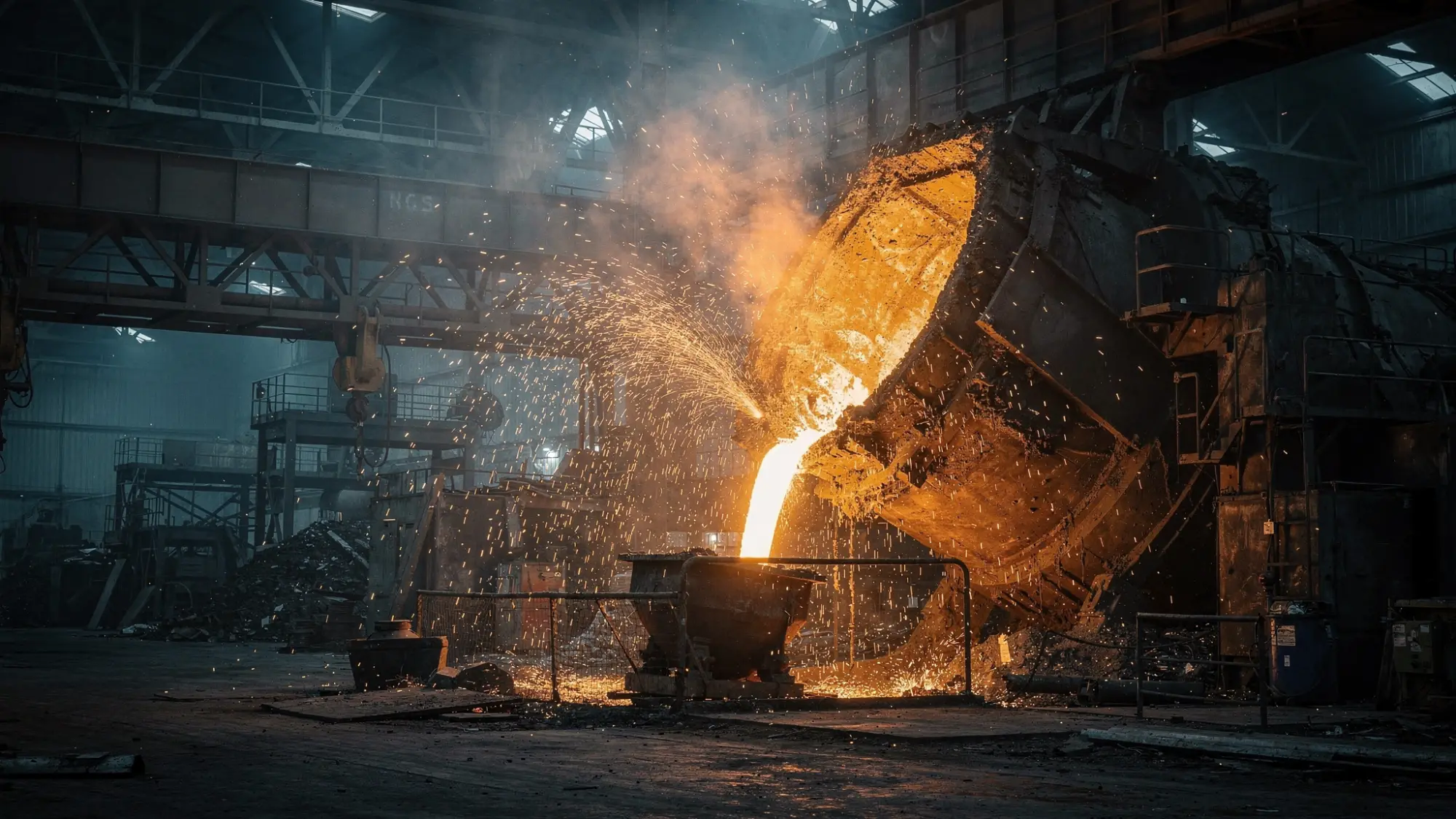
Reclinker recovers the spent cement paste from demolition waste and turns it back into clinker in the electric arc furnaces that already recycle steel. No kiln, no quarried limestone, no fossil-fuel heat.
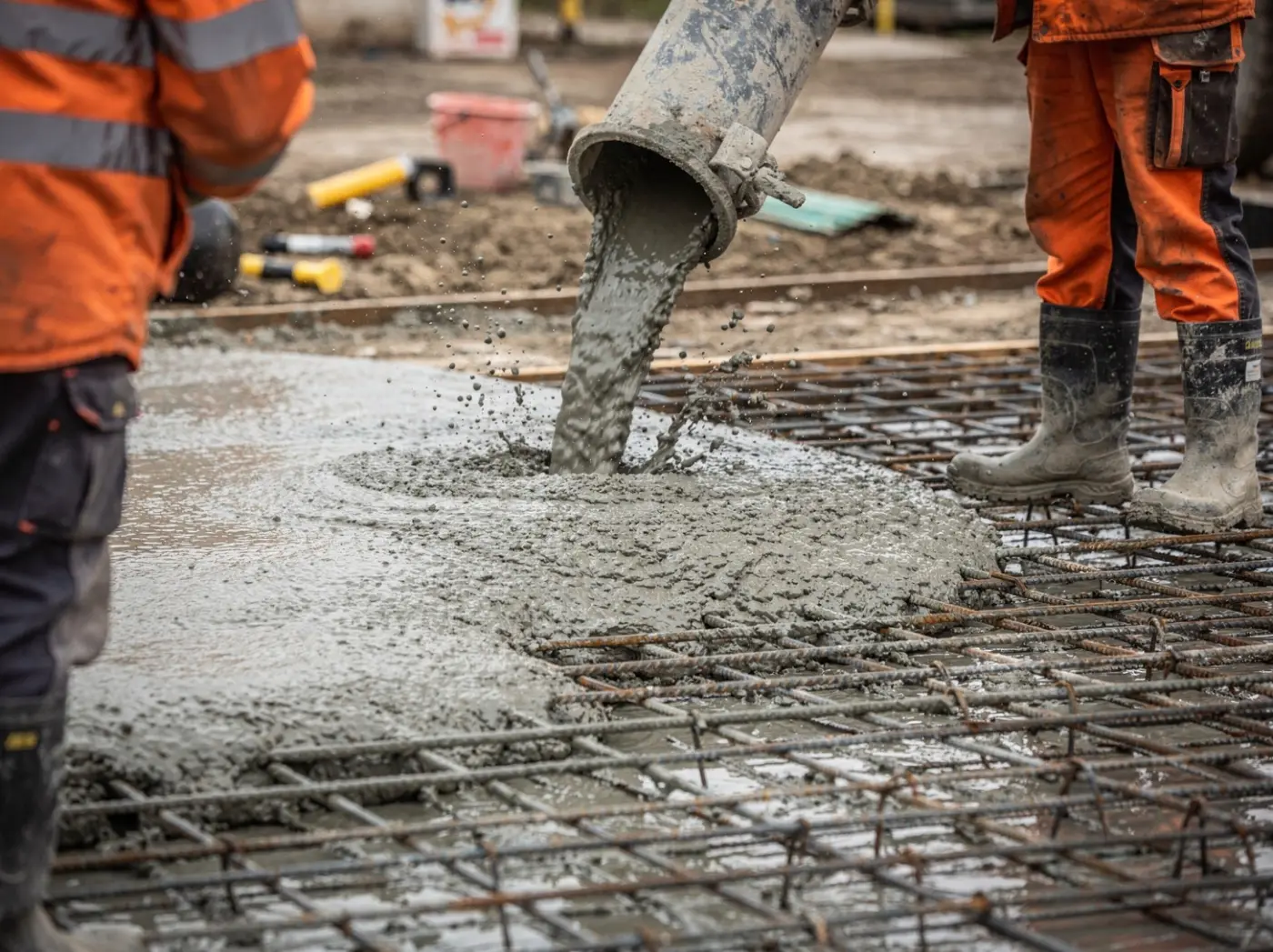
Cement is in almost everything we build. Scroll to see where its cement goes when a building comes down, and what happens to the emissions when it comes back.
Building
Every building standing today holds cement that was made from quarried limestone, heated in a kiln. Most of cement's emissions come from that clinker step, released from the rock itself and from the fuel.
Demolition
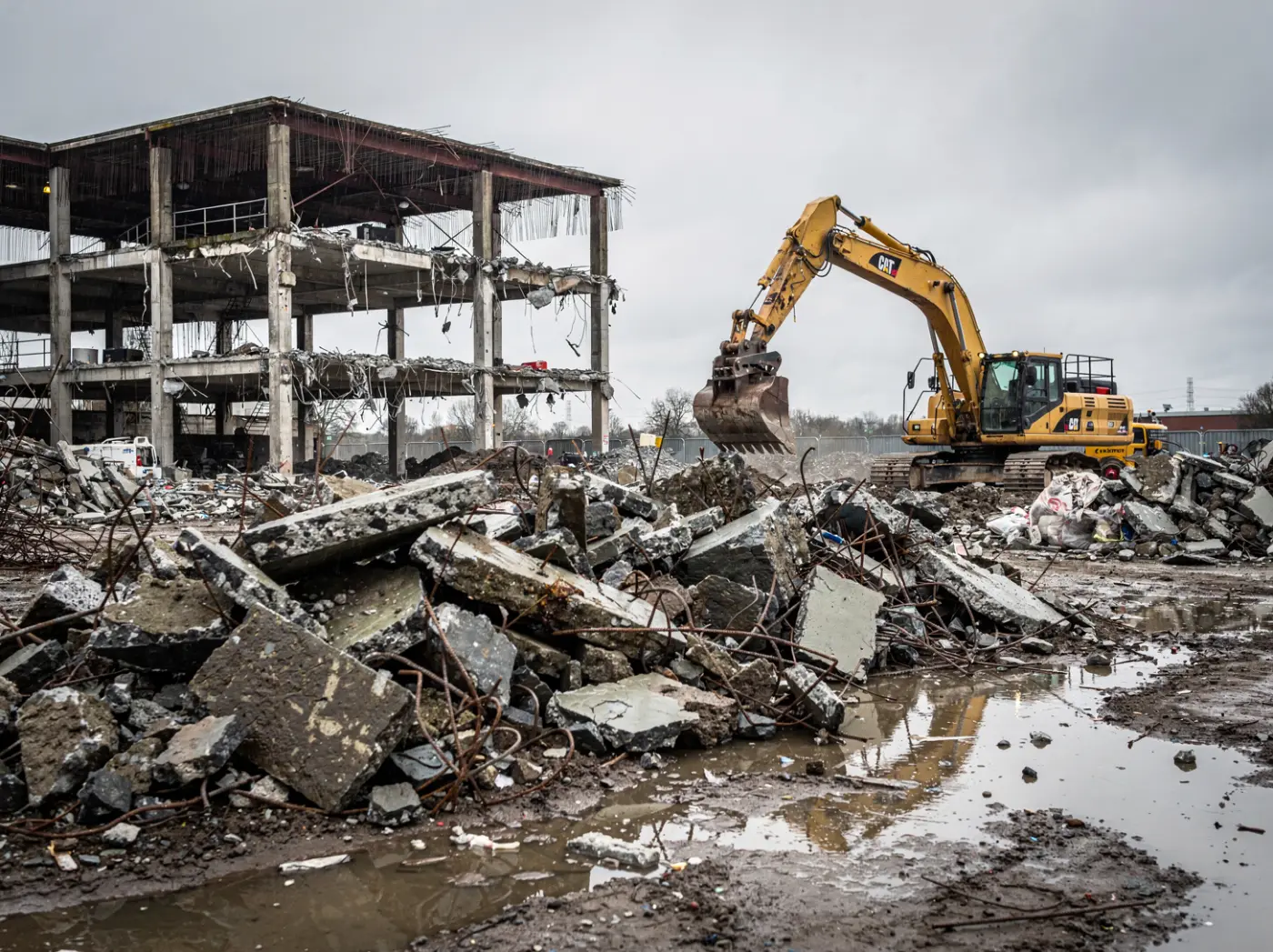
Demolished concrete is usually crushed into rubble for road base or backfill. Separated properly, it gives back sand, aggregate and the old cement paste, which still has the right chemistry to become cement again.
Reclinker
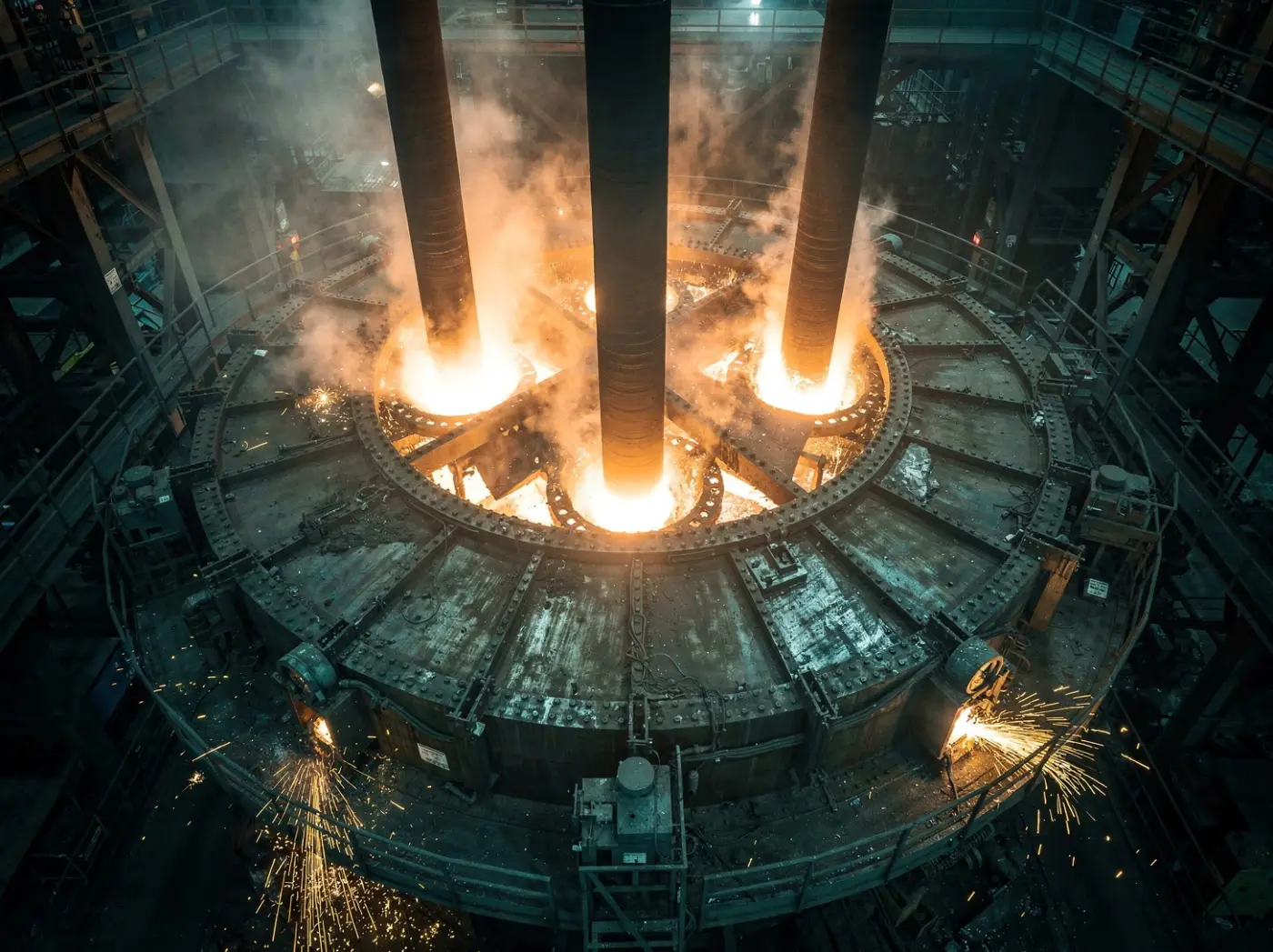
Steel recyclers add lime to their electric arc furnaces to clean the melt. We replace that lime with recovered cement paste. The furnace heat turns it back into clinker, so one melt produces recycled steel and new clinker together.
New concrete
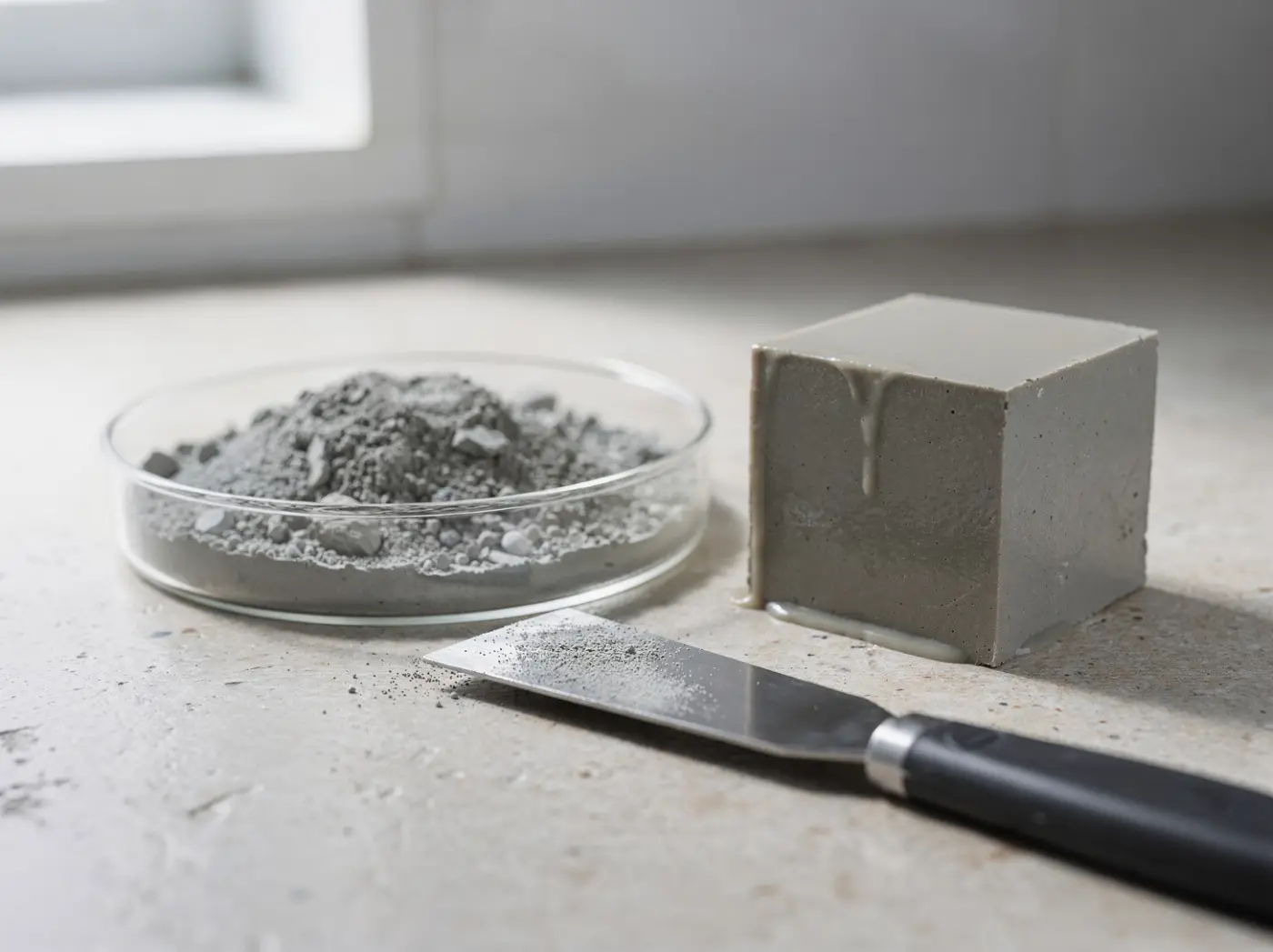
Milled with gypsum, the clinker becomes Portland cement again, ready for the next foundation. No kiln, no quarried limestone and no fossil-fuel heat were needed to make it.
The figure is an index where conventional Portland clinker is 100. Reclinker reports a reduction of more than 50% at launch, with further cuts as production scales. Full lifecycle data is available to buyers on request.
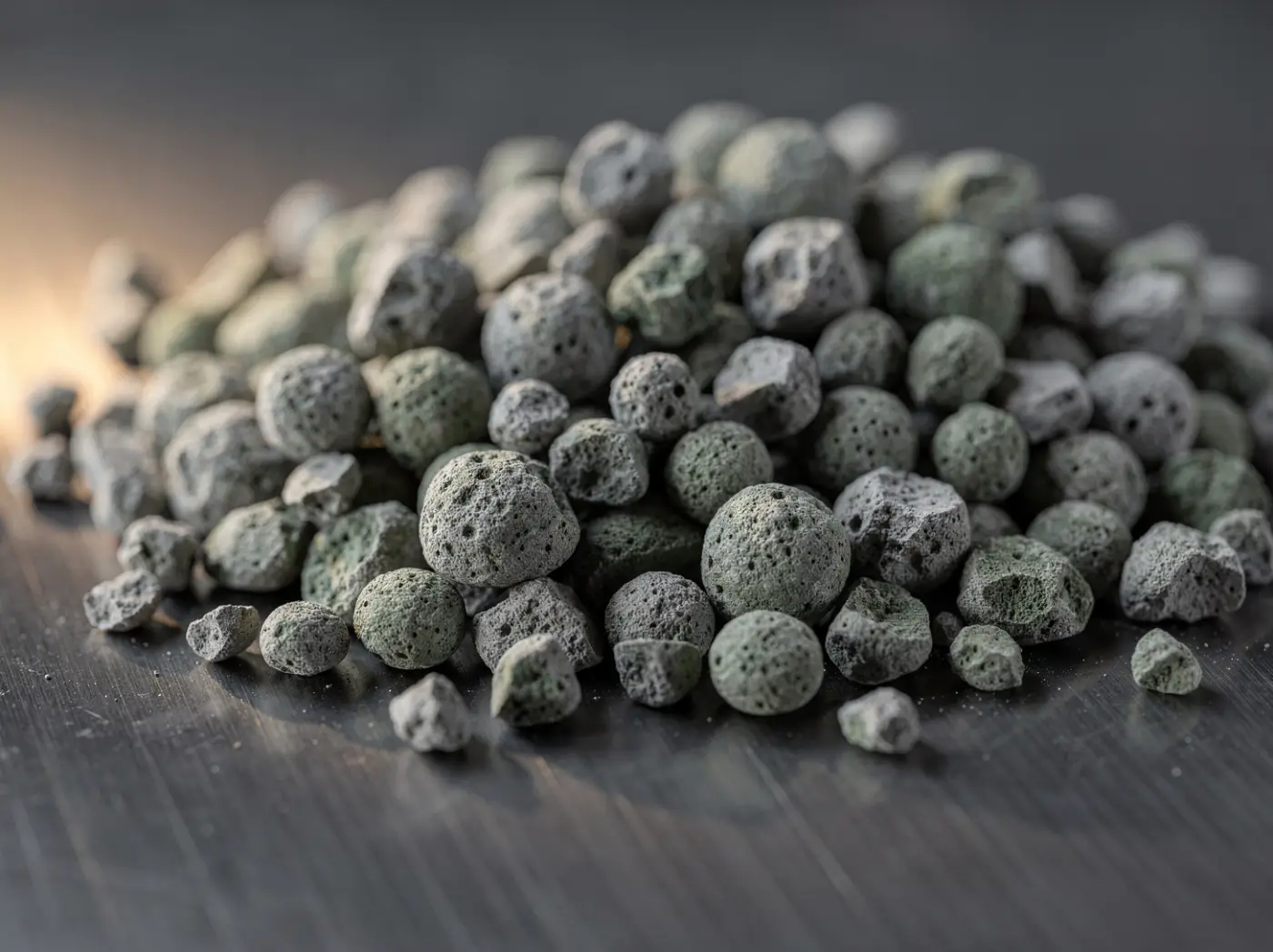
Cement causes about 7% of global CO₂ emissions, roughly three times as much as aviation. Most of it comes from making clinker in kilns that burn fossil fuel and release CO₂ from limestone as it heats.
The usual low-carbon fix, blending in slag from blast furnaces, is running short. Steelmakers are moving to electric arc furnaces, and that is exactly where Reclinker works. As slag supply falls, recycled clinker fills the gap with the same material the industry already specifies.
Index of CO₂ per tonne of clinker. Source: Reclinker, October 2026.
Reclinker is not a supplement or a substitute. It is Portland clinker, reactivated. That makes it a drop-in route to lower emissions for the people who make, mix and pour cement.
Add recycled clinker to your supply without building a new kiln, and cut the carbon of the cement you already sell.
Replace disappearing slag supply with a low-carbon binder made in the UK, at the price of conventional cement.
Cut embodied carbon on real projects with cement made from demolition waste, not from a quarry.
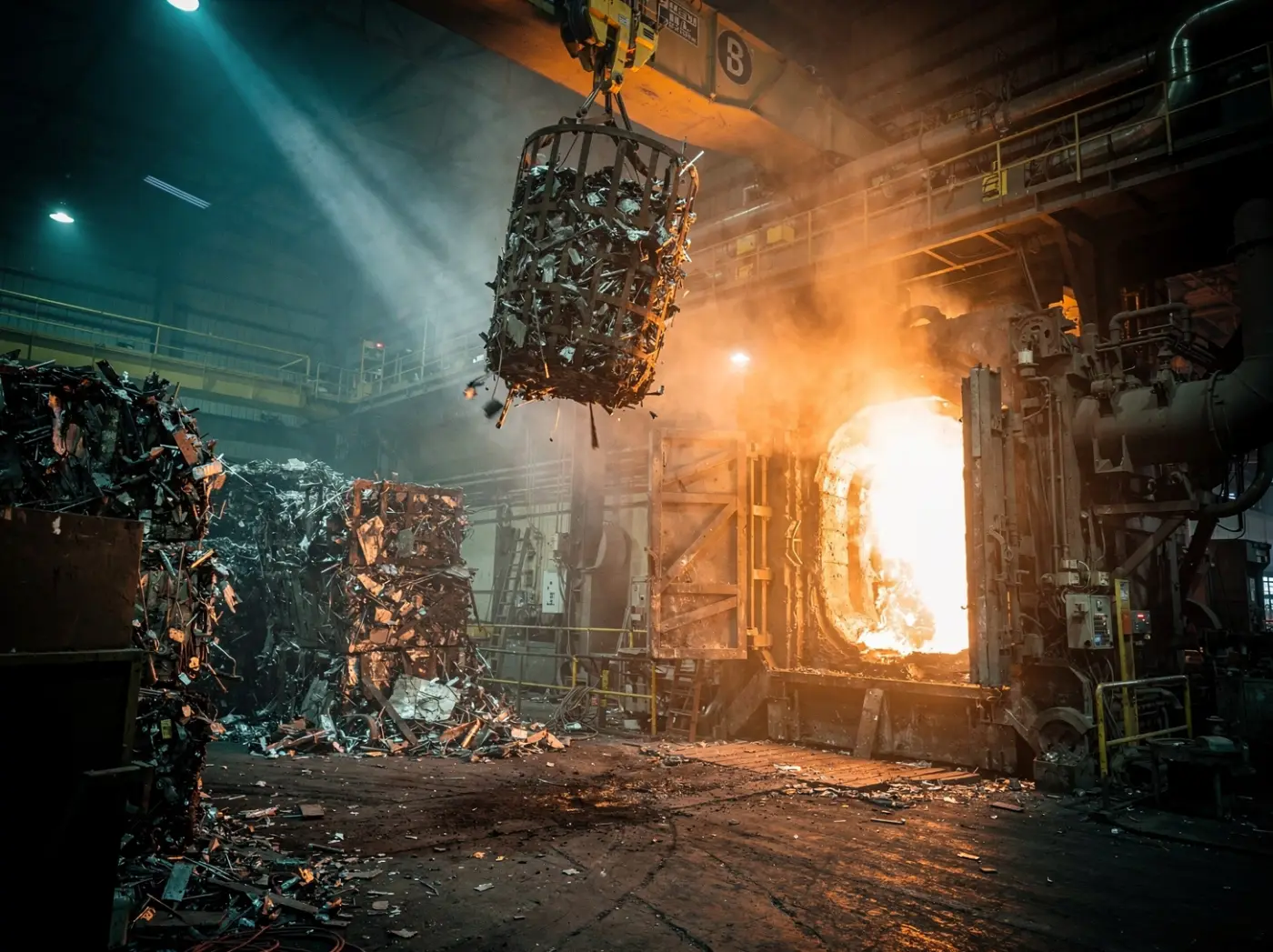
Our process runs inside electric arc furnaces that are already operating. Recovered cement paste takes the place of lime flux, and the slag that leaves the furnace is clinker with a market, instead of a by-product with little value.
Production is proven at 7 Steel UK in Cardiff. The next sites are electric arc furnaces in Europe and the United States.
In October 2026 Reclinker raised £10m in an oversubscribed Series A to move from trials to full commercial production in Cardiff.
Clean Growth Fund and AP Ventures
Development Bank of Wales and Kibo Invest
Zero Carbon Capital and Cambridge Enterprise
Developed at the University of Cambridge and published in Nature in 2024